Introduction
In the uncertain globe we stay in, emergency situations can emerge at any moment. Whether it's a sudden heart attack, a choking occurrence, or an injury from an autumn, knowing how to respond effectively can mean the difference in between life and fatality. That's where the ultimate mouth-to-mouth resuscitation and First Aid Wagga Wagga First Aid training programs combo enters play. This detailed overview is made to outfit you with the essential understanding and abilities needed to take on different emergency situations confidently.
The combination of mouth-to-mouth resuscitation (Cardiopulmonary Resuscitation) and Emergency Treatment not just encourages individuals however also promotes a society of security within areas. With appropriate training, anyone can learn just how to save lives, making it crucial for every person to understand these life-saving techniques.
The Ultimate CPR and Emergency Treatment Combination: Be Prepared for Any Emergency
When faced with an emergency situation, time is important. The Ultimate Mouth-to-mouth Resuscitation and Emergency treatment combination provides a systematic strategy to dealing with different circumstances properly. From recognizing when to perform mouth-to-mouth resuscitation to understanding exactly how to carry out first aid for different injuries, this combo encompasses it all.
Understanding CPR: A Lifesaving Technique
What is CPR?
CPR stands for Cardiopulmonary Resuscitation, an essential emergency situation treatment made use of when somebody's heart stops defeating or when they stop breathing. It involves upper body compressions and rescue breaths aimed at preserving blood circulation and oxygenation until specialist aid arrives.
The Value of mouth-to-mouth resuscitation in Conserving Lives
Statistics show that immediate CPR can double or even three-way the possibilities of survival after cardiac arrest. According to research, efficient onlooker intervention is vital; almost 70% of cardiac arrests occur at home or public areas where instant response is usually lacking.
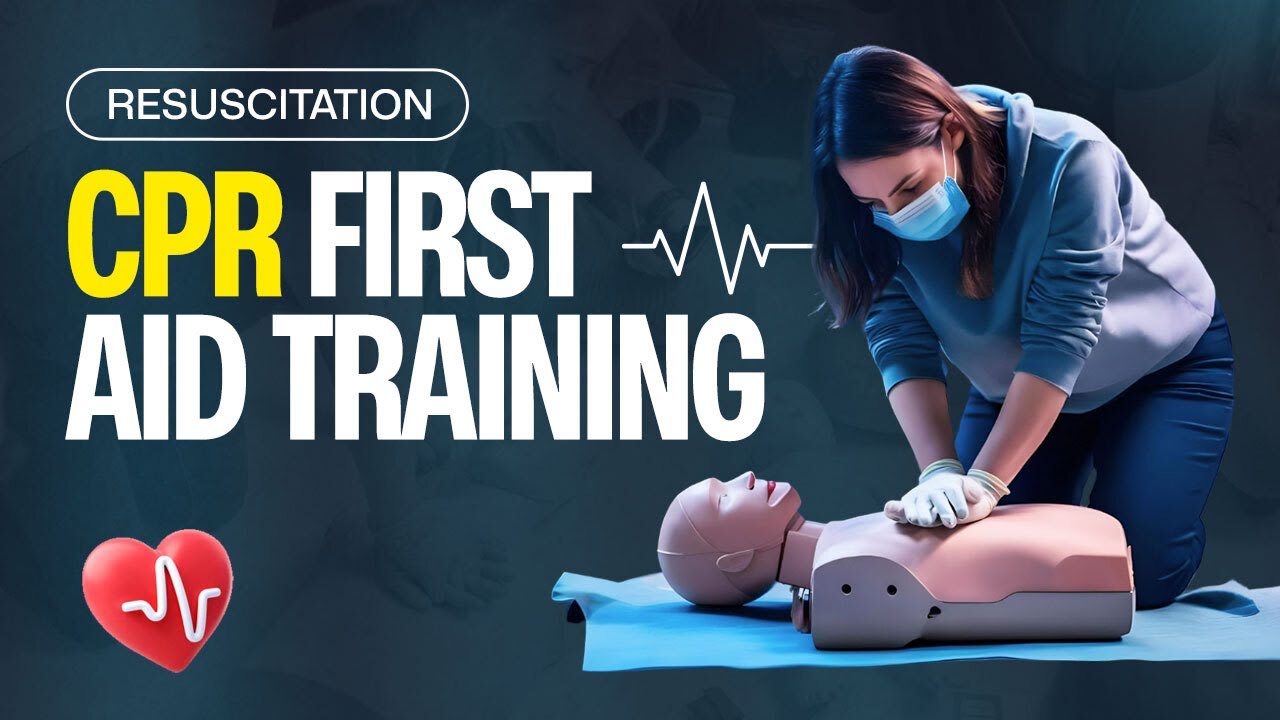
How to Do mouth-to-mouth resuscitation: Step-by-Step Guide
Check Responsiveness: Carefully tremble the individual's shoulders and yell loudly. Call for Help: If less competent, call emergency situation services immediately. Open Airway: Tilt the head back slightly while raising the chin. Check Breathing: Seek regular breathing (not gasping). Start Chest Compressions: Place hands on the facility of the chest and press set (a minimum of 100-120 compressions per min). Rescue Breaths: After every 30 compressions, provide two rescue breaths if trained. Continue Until Aid Arrives: Keep carrying out until emergency situation responders take over.Common Misunderstandings Concerning CPR
- CPR Constantly Restarts Heart Myth: Several think that doing CPR warranties resurgence; however, end results depend on numerous aspects consisting of timing and underlying health and wellness conditions. Incorrect Compression Depth: A crucial element of efficient mouth-to-mouth resuscitation is guaranteeing compressions are deep enough (at the very least 2 inches for grownups) yet not too deep as it can trigger injury.
AED Just how to Utilize: An Essential Ability in Emergencies
What is an AED?
An AED (Automated External Defibrillator) is a mobile device that provides an electric shock to restore regular heart rhythm throughout cardiac arrest.
Using AED with CPR Australia
Turn on the AED. Apply pads as suggested on the device. Follow audio/visual triggers offered by the AED. Continue with mouth-to-mouth resuscitation up until emergency workers arrive.Infant CPR Technique: Unique Considerations
Performing mouth-to-mouth resuscitation on babies calls for special strategies as a result First Aid Courses Wagga Wagga of their delicate physiology:
- Use two fingers for upper body compressions. Keep compression deepness regarding 1.5 inches. Administer mild rescue breaths covering both nostrils and mouth.
Household mouth-to-mouth resuscitation Readiness: Preparing Your Home
Being prepared at home entails:
Educating member of the family about standard first aid principles. Keeping first aid materials stocked (plasters, antiseptics). Having an emergency strategy in position that consists of call numbers for neighborhood emergency services.Advanced Resuscitation Abilities for Professionals
Healthcare companies may need advanced resuscitation skills beyond fundamental mouth-to-mouth resuscitation techniques:
- Understanding pharmacological interventions throughout resuscitation. Mastery of advanced respiratory tract monitoring techniques.
CPR for Sinking Victims: Unique Approach Needed
Drowning sufferers need instant rescue breaths followed by upper body compressions immediately since their main issue is generally absence of oxygen rather than heart failing initially.
Sports-related Cardiac Arrests: Acknowledging Signs Early
Athletes might experience sudden cardiac arrest because of undiagnosed heart disease:
- Be knowledgeable about symptoms like shortness of breath or fainting during activity. Immediate access to qualified workers can be lifesaving in sports environments.
Workplace Emergency Plans: Important Components
Creating efficient office emergency situation plans entails:
Conducting routine training sessions on first aid and mouth-to-mouth resuscitation procedures. Establishing clear procedures detailing functions throughout emergencies. Ensuring ease of access of first aid kits and AEDs throughout the facility.Local CPR Classes: Searching For Training Opportunities Near You
Search online or call regional hospitals/community facilities to locate classes in your area that offer certifications in both basic life assistance and initial aid.
Online CPR Certification Options Available Today
With developments in modern technology, several reliable organizations currently use online qualification programs:
- Courses cover theoretical knowledge incorporated with useful evaluations via video clips or simulations.
FAQ Section
1. What is the credibility period for a CPR certificate?
Most companies recommend restoring your qualification every two years as guidelines might change over time.
2. Are there age-specific guidelines for executing CPR?
Yes! Standards differ based on age (adult, youngster, infant). Always refer to present standards given by recognized authorities such as the Australian Resuscitation Council.

3. What tools do I need for effective CPR?
Basic equipment includes gloves (to safeguard versus infection), an AED if available, and access to first-aid products like bandages or disinfectant solutions.
4. Which organizations offer on-line certification in Australia?
Organizations such as St John Ambulance Australia use comprehensive online programs that meet national standards.
5. Can I carry out rescue breaths without mouth-to-mouth contact?
Yes! Compression-only mouth-to-mouth resuscitation has actually been revealed effective; nonetheless, rescue breaths are urged when securely possible especially in children/infants where oxygenation levels drop quickly.
6. How do I remain upgraded on newest guidelines pertaining to resuscitation practices?
Regularly check updates from reliable bodies like Red Cross or your country's resuscitation council which release revised standards periodically based upon progressing clinical evidence.
Conclusion
Being equipped with understanding about The Ultimate CPR and Emergency treatment Combo ensures you're ready for any type of emergency circumstance you could run into-- whether in your home, job, or even out in public areas! The ability to start activity promptly can have considerable results not just on private lives however additionally within neighborhoods at large-- creating environments where everybody feels more secure knowing they have a person nearby that can giving support must misery strike unexpectedly!
In verdict, welcoming abilities associated with both cardiopulmonary resuscitation & & foundational first-aid steps permits us all not only become a lot more self-sufficient yet likewise produce connected areas prepared & & able step up when needed-- because every 2nd counts!